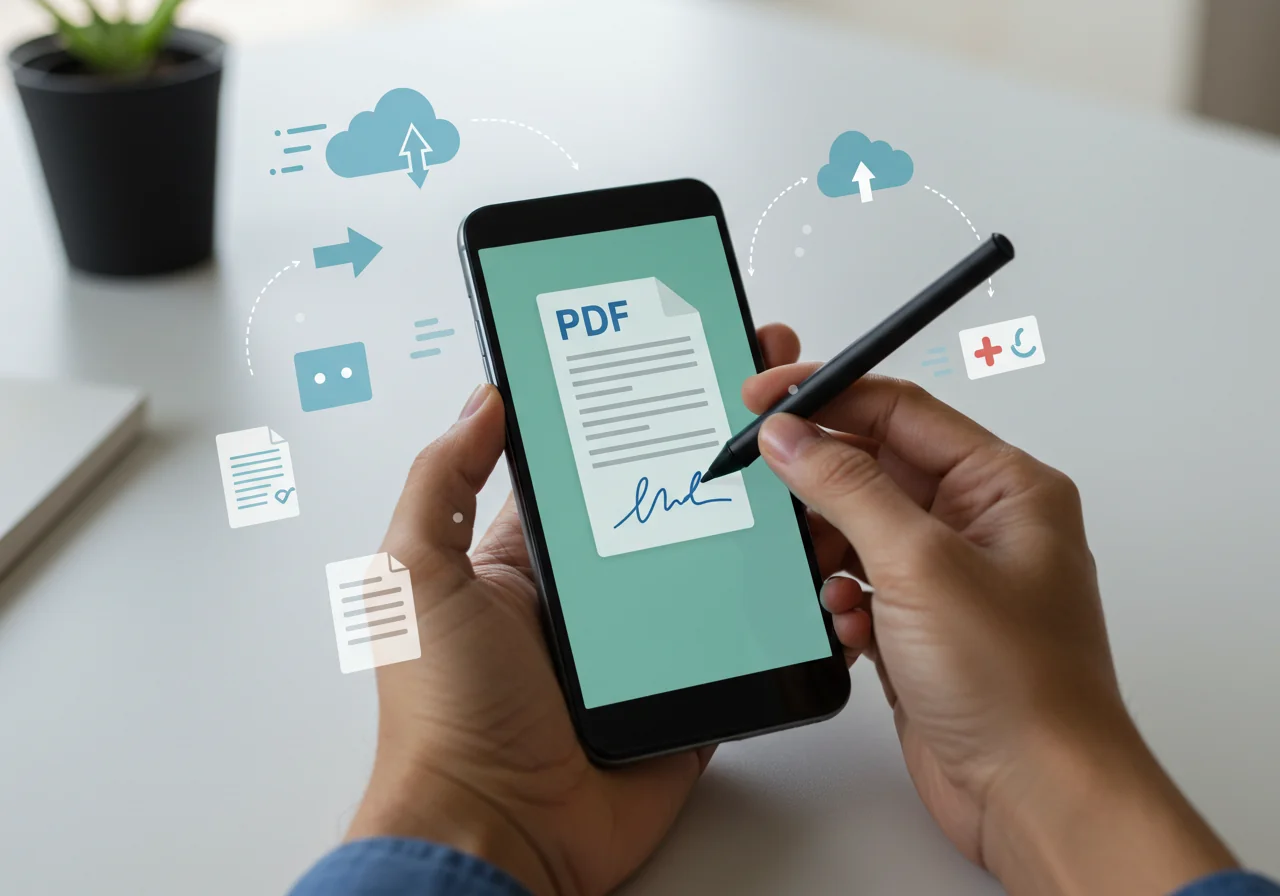
In the digital universe we live in, our memories, documents, projects and creations pile up at dizzying speed. Every photo we take, every video we record, every file we create becomes a fragment of our digital life that needs a home. Limited space on our devices (phones, tablets, computers) is a constant battle that often leads us to delete what we value most, or to spend money on external HDs that can be lost or damaged. The anxiety of losing valuable information or the frustration of not being able to access it when we need it are common experiences in this era.
Imagine, for a moment, an unlimited and secure space where all your important files are kept, accessible from anywhere on the planet, at any hour and from any device, at no cost. Picture the peace of mind of knowing that your most cherished family photos, your essential work documents or your personal projects are safe from loss, damage or hardware failure. This is not a futuristic concept, but a concrete reality thanks to cloud storage apps, which offer generous free plans so you can start organizing your digital life without emptying your piggy bank.
This article is your essential guide to navigating the landscape of cloud storage apps in 2025, focusing on those that offer the most free space and the best functionality. We will not only reveal the most powerful options, but also explore why this kind of storage is fundamental to your digital well-being, how to overcome common challenges and how to integrate these tools into your life for more peace of mind, efficiency and security. Get ready to free up your devices, protect your data and experience true digital freedom.
1. The Invisible Vault: What is Cloud Storage and Why is it Indispensable?
The term "cloud" may sound abstract and technical, but the concept is surprisingly simple and its impact on our digital life is revolutionary. Understanding what cloud storage is and why it has become an indispensable tool is the first step to making the most of its free benefits.
Definition and Basic Operation:
Cloud storage is the practice of keeping digital data on a network of remote servers (the "cloud"), rather than directly in the local memory of your computer or mobile device. These servers belong to third-party service providers, who manage and maintain the infrastructure.
When you save a file to the cloud:
- Your file is sent over the internet to these servers.
- It is stored redundantly (in several locations) to ensure its safety and availability.
- You can access it from any device connected to the internet (computer, smartphone, tablet) simply by logging into your account.
It is like having a huge HD that is not physically in your home, but in a secure data center, which you can access from anywhere with your "key" (your username and password).
Differences from Other Storage Methods:
- HDs Externos/Pen Drives: São físicos e portáteis, mas vulneráveis a perda, roubo, danos físicos (água, quedas) e falhas de hardware. Não oferecem acesso remoto.
- Armazenamento Local do Dispositivo: Limita o espaço disponível no seu celular ou computador. Se o dispositivo estragar, for perdido ou roubado, seus dados podem desaparecer para sempre.
- Armazenamento em Nuvem: Oferece segurança redundante, acesso universal e elimina as limitações de espaço físico.
The Importance of Cloud Storage in Your Daily Life:
Adopting this technology, even in its free version, has a profound impact on the peace of mind and efficiency of your digital life:
- Segurança e Backup de Dados: É a principal vantagem. Se o seu celular cair na água, o seu computador sofrer um ataque de ransomware ou o seu pen drive se perder, seus arquivos na nuvem estão a salvo. É uma rede de segurança contra desastres digitais.
- Acessibilidade Universal: Precisa de um documento importante durante uma viagem? Quer mostrar umas fotos a um amigo, mas elas estão em casa? Com a nuvem, seus arquivos estão sempre com você, acessíveis com poucos cliques.
- Liberação de Espaço nos Dispositivos: Você pode enviar fotos e vídeos para a nuvem e depois apagá-los do celular, liberando espaço para novos aplicativos, mais fotos ou um melhor desempenho do aparelho.
- Colaboração Simplificada: Compartilhar arquivos e trabalhar em documentos com outras pessoas fica incrivelmente fácil. Você pode conceder permissões para ver, comentar ou editar arquivos sem precisar enviar várias versões por e-mail.
- Sincronização Automática: Muitos aplicativos oferecem sincronização automática de fotos, vídeos e documentos. Isso significa que, toda vez que você tira uma foto, ela é enviada na hora para a nuvem, criando um backup em tempo real.
- Organização Digital Aprimorada: Ao ter um lugar centralizado para todos os seus arquivos, você pode criar uma estrutura de pastas lógica, facilitando a busca e a gestão das suas informações.
- Sustentabilidade e Mobilidade: Ao reduzir a dependência de dispositivos físicos ou impressões, você contribui para um estilo de vida mais digital e móvel, condizente com as necessidades do século XXI.
In essence, cloud storage is not just a virtual external HD; it is a data management philosophy that gives you freedom, security and efficiency. And the best part is that, thanks to the generous free offers, this "invisible vault" is within everyone's reach.
Pergunta para refletir: Pense em um momento em que você perdeu um arquivo importante ou não conseguiu acessá-lo quando precisava. Como você acha que o armazenamento em nuvem teria mudado essa situação?
2. The Digital Labyrinth: Common Challenges in Managing Cloud Storage
Although cloud storage offers a brilliant solution to many digital problems, the reality is that the path to efficient and secure management of our data is not free of obstacles. Many users face challenges that can cause frustration, confusion, or even giving up on using these tools. Recognizing these “labyrinths” is the first step to navigating them with confidence.
Usual Barriers and Frustrations:
- Too Many Options and the “Free” Confusion: The market is saturated with providers, each offering a different amount of free space under varying conditions. It is easy to feel overwhelmed and not know which to choose, or to doubt whether the “free” option is really good or safe. This confusion can lead to inaction.
- Privacy and Security Concerns: “If my files are in the ‘cloud,’ who else can see them?” “If I upload my data, is it really safe from hackers or from the company that holds it?” These are valid questions. A lack of transparency or unfamiliarity with each provider's security protocols can breed distrust and slow the adoption of the cloud.
- Managing Free Space (When It Starts to Fill Up): At first, the free space seems vast. But over time, especially if you sync photos and videos, it can fill up quickly. The frustration of receiving “storage full” notifications and having to decide what to delete or whether to pay can be discouraging.
- Upload and Download Speed: For those with a slow internet connection, uploading or downloading large files can be an exasperating process. This can make the cloud seem impractical for everyday needs.
- Content Organization and the “Digital Dumpster”: Many users upload files to the cloud without a clear structure, reproducing the mess of their physical hard drive. The cloud becomes a “digital dumpster” where it is hard to find what you're looking for, undermining one of its main benefits.
- Data Fragmentation Across Multiple Accounts: Some users choose to use several free accounts from different providers to accumulate more space. Although it is a strategy, it can also lead to fragmented information, making it hard to remember where each file is.
- Lack of Internet Connection: Although it is its strength, it is also its weakness: without an internet connection, you cannot access your files. This can be a problem when traveling, in rural areas, or in emergencies, unless offline sync is used.
- The Belief That “This Is Too Complicated”: For those who are not digital natives, the cloud can seem like a complex technology beyond reach, creating initial resistance to learning it.
If these challenges are not faced with knowledge and strategy, the powerful tool of the cloud can become a source of stress instead of a solution. However, with a clear understanding and the right apps, these labyrinths turn into well-lit paths.
Question to reflect on: When you think about using cloud storage, which of these challenges worries you most or has caused problems for you in the past?
3. Your Digital Guardians: The Cloud Storage Apps with the Most Free Space in 2025
Fortunately, in the competitive cloud storage market, several companies offer very generous free plans with excellent functionality. These apps provide not only space but also sync, sharing, and security tools. Here are the best options for 2025, highlighting free space and each one's main features.
1. Google Drive: Total Integration with the Google Ecosystem (15 GB Free)
- Free Space: 15 GB (shared with Gmail and Google Photos).
- Focus: Full integration with Google Workspace (Docs, Sheets, Slides), a powerful search engine, ideal for Android users.
- Ideal for: Anyone who already uses Gmail, Google Photos, or Android devices. Students, professionals, and home users.
- Strengths:
- Generous Starting Space: 15 GB is an excellent starting point for photos, documents, and some videos.
- Seamless Integration: Syncs perfectly with Gmail (large attachments), Google Photos (high-quality storage), and Google's productivity tools.
- Powerful Search: Google's search engine lets you find files quickly, even inside PDFs.
- Real-Time Collaboration: Makes collaborative work on documents, spreadsheets, and presentations easy.
- Cross-Platform Availability: Web, Android, iOS, Windows, macOS.
- Points of Attention: The space is shared, so a very large Gmail inbox or many high-quality photos can quickly consume your 15 GB.
- How to Use: Simply create a Google account (if you don't have one). Download the Google Drive app on your device or access it through the web. You can drag and drop files, create folders, and start syncing.
2. Microsoft OneDrive: The Best Friend of Office and Windows (5 GB Free)
- Free Space: 5 GB.
- Focus: Deep integration with Microsoft Office (Word, Excel, PowerPoint) and the Windows operating system.
- Ideal for: Windows and Office suite users, students, and professionals who work with Microsoft documents.
- Strengths:
- Native Integration: OneDrive comes pre-installed on Windows, making it easy to sync the Documents and Desktop folders.
- Office Collaboration: Allows real-time collaboration on Word, Excel, and PowerPoint documents directly from the cloud.
- Version History: Keeps previous versions of your files, which is useful for undoing changes.
- Automatic Photo Albums: Automatically creates photo albums to organize your memories.
- Points of Attention: Although 5 GB is a good start, it can be short for large photo collections. The deeper integration is most comfortable within the Microsoft ecosystem.
- How to Use: Sign in with your Microsoft account (Hotmail/Outlook). The OneDrive app usually comes already installed on Windows. On other devices, download the app and sync your files.
3. Dropbox: The Pioneer of Simplicity (2 GB Free, Expandable)
- Free Space: 2 GB (can be expanded through referrals and tasks).
- Focus: Simplicity, ease of use and excellent file synchronization.
- Ideal for: Anyone looking for a clean, straightforward solution for sharing files and syncing specific folders.
- Strengths:
- Extremely Easy to Use: The interface is minimalist and synchronization is very reliable.
- Robust Sharing: Excellent options for sharing files and folders with third parties, even if they don't have Dropbox.
- Version History: Just like OneDrive, it keeps previous versions of files.
- Free Expansion: You can earn extra space by referring friends (usually 500 MB per referral, up to a certain limit) or completing tasks.
- Points of Attention: The initial 2 GB is the smallest amount on this list, which may be limiting for those with large volumes of photos or videos.
- How to Use: Create an account. Install the desktop or mobile app. Drag and drop files into your Dropbox folder so they get synced.
4. MEGA: Security and Generosity (20 GB Free)
- Free Space: 20 GB (initially, with the possibility of losing part of it if you don't maintain certain activities, or with an expiration date for some GB).
- Focus: Extreme security with end-to-end encryption and high free capacity.
- Ideal for: Privacy-conscious users who need a lot of free space for large files.
- Strengths:
- End-to-End Encryption: Your files are encrypted on your device before they go to the cloud, which means not even MEGA can see their content.
- Large Amount of Free Space: 20 GB is one of the most generous offers.
- Fast Transfers: It usually offers competitive upload and download speeds.
- Points of Attention: Although 20 GB is very good, the model for keeping that space can be complex (sometimes tied to an "achievement bonus" with an expiration period). The interface may be less polished than Google's or Microsoft's.
- How to Use: Create an account with a recovery key. Download the app and start uploading your files. Make sure you understand how free space is managed to avoid surprises.
5. Icedrive: A New Player with Privacy Promises (10 GB Free)
- Free Space: 10 GB.
- Focus: Modern interface, security and encryption, excellent as a virtual drive.
- Ideal for: Users looking for a new alternative to the big names, with a good balance between space and security.
- Strengths:
- Attractive and Modern Interface: Intuitive and easy-to-use design.
- Client-Side Encryption (for premium files): Although end-to-end encryption is a premium feature, the focus is on privacy.
- Integrated Virtual Drive: On Windows, you can mount it as another disk drive, which makes it easier to access files without downloading them.
- Points of Attention: It is a newer player in the market, so its longevity is shorter than that of the giants.
- How to Use: Sign up, download the apps and start using it like any other storage drive.
Practical exercise: Choose two of these apps (for example, Google Drive if you use Android/Gmail, and MEGA if privacy and space are your priority). Sign up for both. Upload 5 important files to each (photos, documents). Then, try to access those same files from a different device (another phone, your computer). This will help you get familiar with accessibility and the synchronization process.
4. Keeping Your Cloud in Order: Strategies for Sustainable Digital Management
Having access to generous free cloud space is a great start, but the real magic happens when you develop a system to keep that space organized, secure and efficient over the long term. Without a strategy, your cloud can quickly turn into an unmanageable "digital junkyard."
Tips to Sustain the Habit and Organization:
- Establish a Logical and Consistent Folder Structure: Before you start uploading everything, take a moment to think about how you want to organize your files. You can use broad categories (for example: "Personal", "Work", "Education", "Photography") and then create subfolders (for example: inside "Personal", "Important Documents", "Travel", "Family"). The key is consistency; all documents of one type should be kept in the same place.
- Adopt a Standard Naming Convention: A file called "IMG_1234.jpg" or "Final_Final_Document.docx" won't tell you much in the future. Rename your files with a clear, descriptive format. For example:
AAAA-MM-DD_TipoDeDocumento_Descricao.pdf(for example:2025-03-15_FaturaEnergia_Endesa.pdf). This makes searching and chronological ordering easier. - Selective Sync (if the app allows it): If you have a large number of files but only need frequent access to some, many apps let you choose which folders to sync to your local device. This saves space on your computer and lets you keep the rest only in the cloud.
- Do a Regular "Digital Cleanup": Once a month or every quarter, spend 30 minutes reviewing your cloud files. Delete duplicates, remove old files you no longer need and move any files that ended up in a temporary folder. Keeping space free avoids the frustration of running out of room.
- Take Advantage of Cloud OCR (if available): Major platforms, such as Google Drive, usually process your PDFs so the text can be searched. Use this feature to find important documents with just one word.
- Set Up Automatic Backups for Photos/Videos: Most cloud apps offer the option to automatically sync photos and videos from your phone. Turn on this feature to make sure your memories are always protected. Once they are in the cloud, you can free up space on your phone.
- Understand Each Provider's Security and Privacy: Research how each app handles privacy and security. Do they offer two-factor authentication? Do they encrypt your data at rest and in transit? How do they manage the privacy of your shared files? Choosing a trustworthy provider brings peace of mind.
- Use Shared Folders Wisely: If you collaborate with others, create shared folders specifically for projects. Avoid sharing your main "Personal Documents" folder. Clearly define access permissions (view only, edit) for each user.
- Have a "Plan B" for Offline Access: For crucial files you may need without an internet connection, use the "make available offline" feature of your cloud app. It downloads a local copy of the file so you can access it at any time.
Question to reflect on: If you had to organize your digital life right now, what would be the 3 main folders you would create to bring order to your files in the cloud?
5. The Harvest of Peace of Mind: Long-Term Benefits of Cloud Storage
Integrating free-tier cloud storage apps into your digital life is not mere convenience; it is a strategic decision that brings a positive and lasting impact on your well-being, your productivity and your personal security. The long-term benefits go beyond simple file management, transforming your relationship with technology and information.
Positive and Lasting Impact on Your Life:
- Mental Health and Stress Reduction:
- Priceless Peace of Mind: The greatest gain is tranquility. Knowing that your memories, important documents and projects are safe, backed up and accessible at any moment eliminates a huge source of digital anxiety. No more fear of losing irreplaceable photos or crucial documents.
- Sense of Control: Organizing and keeping your data under control gives you a sense of mastery over your digital life, which contributes to greater self-esteem and reduces the feeling of technological chaos.
- Less "Digital Noise": By freeing up space on your devices and keeping the cloud organized, you reduce the "digital noise" that comes with clutter, allowing for more focus and mental clarity.
- Productivity and Efficiency:
- Instant Access to Information: The ability to access any file, at any time and from any device, makes you a more efficient person. No more frantic searching or waiting for slow syncs.
- Smooth Collaboration: For students and professionals, the cloud transforms collaboration, allowing you to work on joint projects smoothly and in real time, without the hassle of sending versions around.
- Simplified Workflow: Integrating the cloud into your routine means documents, photos and screenshots are synced automatically, simplifying your workflow and reducing manual effort.
- Security and Preparedness for the Future:
- Resilience in the Face of Disasters: The cloud is your best defense against theft, damage or loss of your devices. Your most important data stays safe in data centers with enterprise-level security.
- Protected Digital Legacy: You ensure that your memories and digital creations are preserved for the future, for you and for generations to come, protecting your digital legacy.
- Simple Transition Between Devices: When you switch phones or computers, setting up and recovering your files is a much faster and stress-free process, since your data is in the cloud.
- Independence and Mobility:
- The cloud frees you from dependence on a single device. You can work, study, access your photos or simply manage your life from anywhere, with the same information available. This mobility is an invaluable advantage in the modern world.
In short, free-tier cloud storage apps are much more than just a place to keep files; they are a gateway to a more organized, secure, efficient and, above all, more peaceful digital life. It is a smart investment in your future self.
Question to reflect on: If your digital data were perfectly organized and secure in the cloud, how do you think that would affect your overall stress level in day-to-day life?
Your First Step Toward Digital Freedom
We explored in depth the world of cloud storage, discovering how these powerful tools offer the promise of a safe and accessible space for our most precious data and how, in 2025, several apps continue to offer generous amounts of free space. We cleared up doubts, addressed the challenges and gave you the knowledge needed to take control of your digital life.
The opportunity to protect your memories, optimize your productivity and live with a clearer mind is within your reach, without spending anything. The era of worrying about storage space or data loss is over.
Now, the invitation is to act. Don't let the information remain mere knowledge. Choose one of the highlighted cloud storage apps that best fits your ecosystem (Google Drive, if you use Android/Gmail; OneDrive, if you use Windows/Office; MEGA, if privacy is essential). Download and install it. Create your free account.
Then, take the first practical step: upload those important photos from your phone that you are afraid of losing. Upload that crucial document you have stored in several places. Create your first organized folder with a clear name. Feel the relief of the space freed up on your device and the peace of mind of knowing your files are safe in their new home, in the cloud.
This is only the beginning of an ongoing journey. There will be adjustments, lessons learned, and the need to stay organized. But with every file you upload and every folder you organize, you build a solid foundation for a digital life that is freer, safer, and more efficient. The future of your data is in the cloud, and you are the architect of its order. Take this first step today and experience true digital freedom.